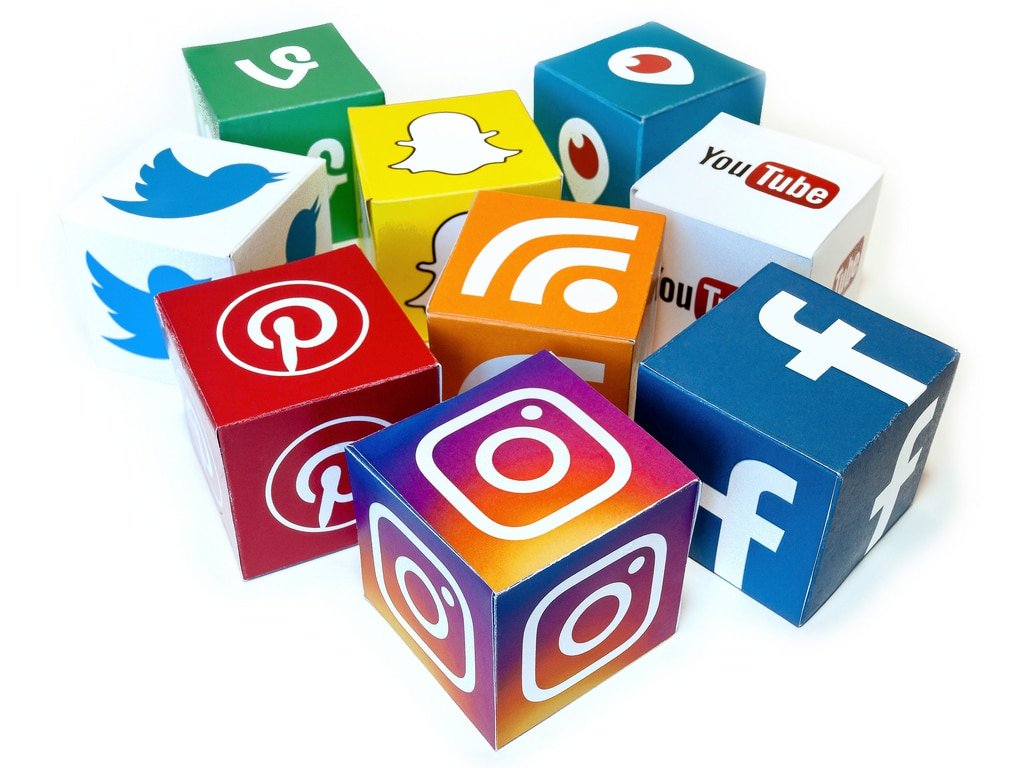
Social media has been a pivotal piece of successful marketing strategies for a decade now. The ability to share content, build a community of current and potential customers, and engage with an audience in real-time has forever changed how brands approach marketing.
Digital and social media have been particularly impactful for small businesses, who have used these platforms to help grow and scale their companies. Social networks present small companies, especially creative ones, an opportunity for “free” marketing and branding, which has proven to be invaluable for many organizations.
However, social networks have started to tweak and update their algorithms in a way that could have major implications for how companies approach social marketing strategies. Facebook, Twitter, LinkedIn, and most other major networks are always looking to increase on-site and on-app engagement, and it’s important for small businesses to know what this means going forward.
What Changed with these Social Media Algorithm Updates?
Over the last year or so, almost all social networks have suffered from content overload. With the idea of “fake news” and fake social media accounts becoming front-page headlines, social media platforms had to make changes in how users are presented content.
That’s not the only problem social networks wanted to address. Due to all this content, social media companies saw the amount of on-site engagement dropping. Their users were clicking on updates, posts, and tweets that brought them to an external website to consume content. This means less on-site engagement which can impact the amount of advertising revenue that’s brought in.
To combat both issues, social media companies – led by Facebook – decided to tweak their algorithms in a way that negatively impacted the visibility and searchability of updates that include external links.
This means that on-site and in-app content is favored within the algorithms which help determine which updates to show to users.
Needless to say, this has caused a lot of panic throughout the social and digital marketing world, as a growing number of businesses now rely on social networks to drive traffic back to their website. But should your small business really freak out over these changes?
Should Companies (Especially Small Businesses) Completely Alter Their Social Media Strategies?
These algorithm tweaks shouldn’t be too big of a surprise, as most social networks have been moving in this direction for some time. They don’t gain much value from a user clicking on a link, only to be taken away from Facebook or Twitter to view the content.
However, just because these changes are happening doesn’t mean small business owners and marketers should panic. In actuality, it presents a tremendous opportunity for creative marketers to differentiate themselves and build up a true best-in-class social media presence.
External content won’t completely disappear – it’s still too valuable to the users who sign-in to sites such as LinkedIn or Instagram. Because of this, small businesses shouldn’t shy away from sharing blog posts, YouTube videos, eBooks, and other content which guides people to your website or other company accounts.
The algorithms do mean, however, that small business marketers need to update and adapt their social media content strategies to play into these recent updates. Incorporating a healthy mix of on-site and off-site content will be crucial to maximizing the ROI from social media in 2018 and beyond.
What’s the Right Mix of On-Site and Off-Site Content to Share in 2018?
This will likely be one of the most asked social media questions this year. One answer that is particularly insightful comes from Rand Fishkin, the founder of the SEO company Moz.
Rand believes that while brands should incorporate on-site and in-app content, they should still lean more towards off-site content to get the most out of social media.
Driving traffic and potential new leads or clients to your website will always be a critical marketing objective, and social media can be an important facilitator for this goal. Accomplishing this objective requires sharing articles and content that get people to your site.
However, companies also need to take advantage of, and use, the tools offered from each social network to optimize the on-site experiences and engagement of your audience. Doing so will help strike a healthy balance in your overall content strategy. One such example is LinkedIn’s Publisher, which is essentially their own, on-site blogging platform.
An important thing to keep in mind is that these updates mean that now, more than ever, an emphasis needs to be placed on creating high-quality, educational and useful content that your audience will find informative and thought-provoking.
Brands and individuals who share low-quality content will have less engagement, which will significantly decrease the likelihood of their updates showing up on feeds and in search results. This means that marketing teams who focus on quality over quantity, and infuse a high-degree of creativity into their social media and content strategies, will truly gain from social networks in 2018.
Let Creative, Quality Content Help Your Brand Overcome These Social Network Updates
The key takeaway from these latest updates is that the platforms want users to be engaged while also staying on their sites and apps as much as possible. However, high-quality external content will still rank high on social sites as people click, engage, and re-share.
This is why companies both big and small need to focus on creating great content which provides value to your target audience. Companies and brands who can do this effectively, while keeping up with any new or emerging social media trends, have a lot to gain by playing into these updates.